Making Tooth Extraction Easy for You
Helping Patients Move Forward With Confidence
— David
David’s general dentist recommended a molar extraction and implant. He appreciated how our team explained his options and is grateful he no longer has to be mindful of which side of his mouth he uses to chew.
Dental pain or swelling may be a symptom of issues such as impacted wisdom teeth or a root canal infection. These problems require prompt treatment to prevent them from impacting other areas of your dental and overall health.
If you're experiencing sudden symptoms, contact us for urgent dental care. We'll do everything we can to get you in for treatment as soon as possible. We have offices in Tampa, Land O’ Lakes, Wesley Chapel, and Valrico for your convenience.
Our oral surgeons will always try to save a natural tooth whenever possible. However, sometimes an extraction is the best solution for a severely compromised tooth. To improve your oral health, the oral surgeon may recommend tooth extraction if you have:
Our oral surgery practice offers several solutions to address damage while preserving your natural tooth. However, a severely damaged tooth may need to be extracted to preserve your dental health.
If fillings or a root canal are not able to address the severe decay of your tooth, an extraction can stop decay from spreading to surrounding healthy teeth and gums.
If a patient's jaw is too small to accommodate all of their adult teeth, our dentists may recommend an extraction to provide enough space for their smile.
While most baby teeth fall out by early adolescence, some patients have one or two baby teeth that do not fall out naturally and get in the way of their adult teeth erupting. A simple extraction can be done to remove these teeth.
Early extraction of wisdom teeth is recommended to avoid dental problems that can arise later on. Our oral surgeons can remove impacted wisdom teeth that have not fully erupted from the gums.
Tooth extraction can provide pain relief from the uncomfortable symptoms of damaged and decayed teeth and serve as a step toward better oral health.
Dr. Jason Edwards, Dr. Thomas Backeris, Dr. Jason Blundell, Dr. Pat Gaus, and the entire team at Advanced Oral Surgery of Tampa put the patient first and focus on making your dental care experience as comfortable as possible. Our board-certified doctors are more than just general dentists. They are oral surgeons who perform basic, intermediate, and advanced procedures to ensure patients receive the best dental care for their unique needs.
To see how your oral health can benefit from tooth extraction, request a consultation with one of our oral surgeons. We have convenient office locations in Tampa, Land O' Lakes, Wesley Chapel, and Valrico, FL.
If you're struggling with tooth pain and deteriorating dental health, visit us for a consultation.
A Look at Our Technology
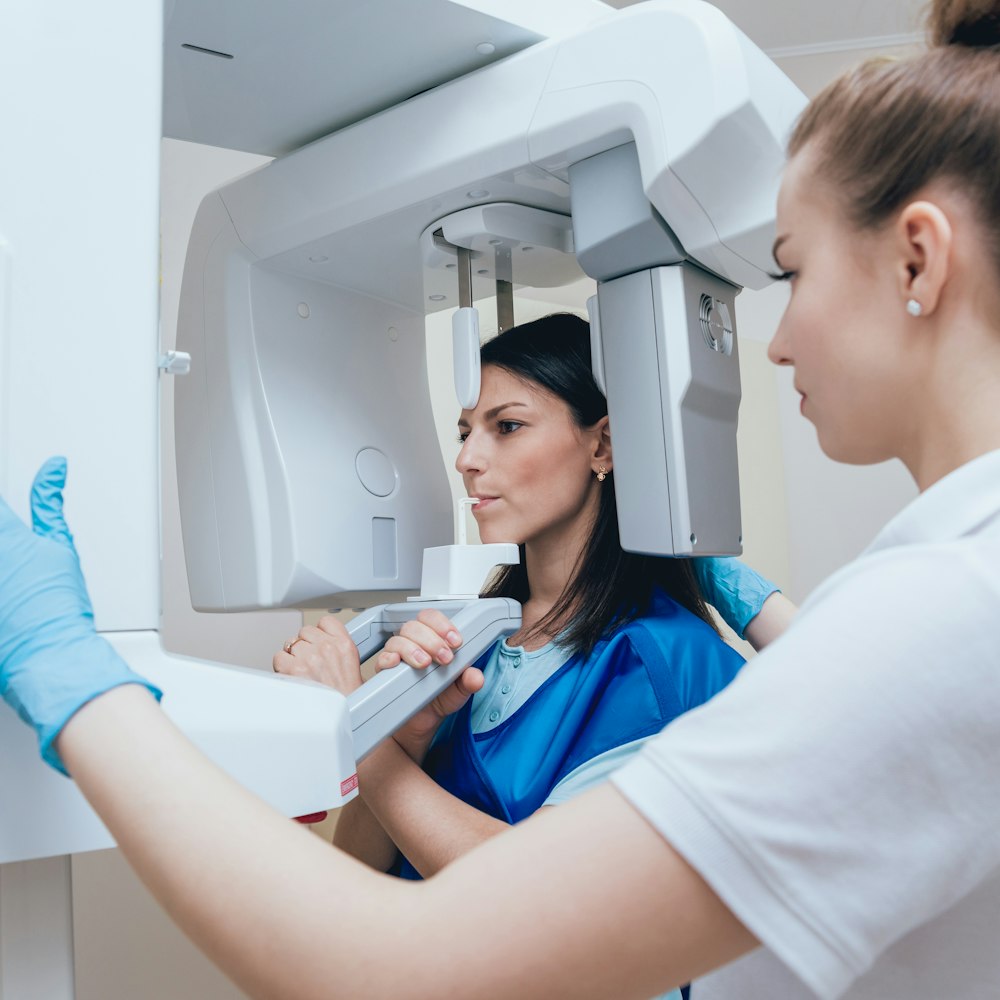
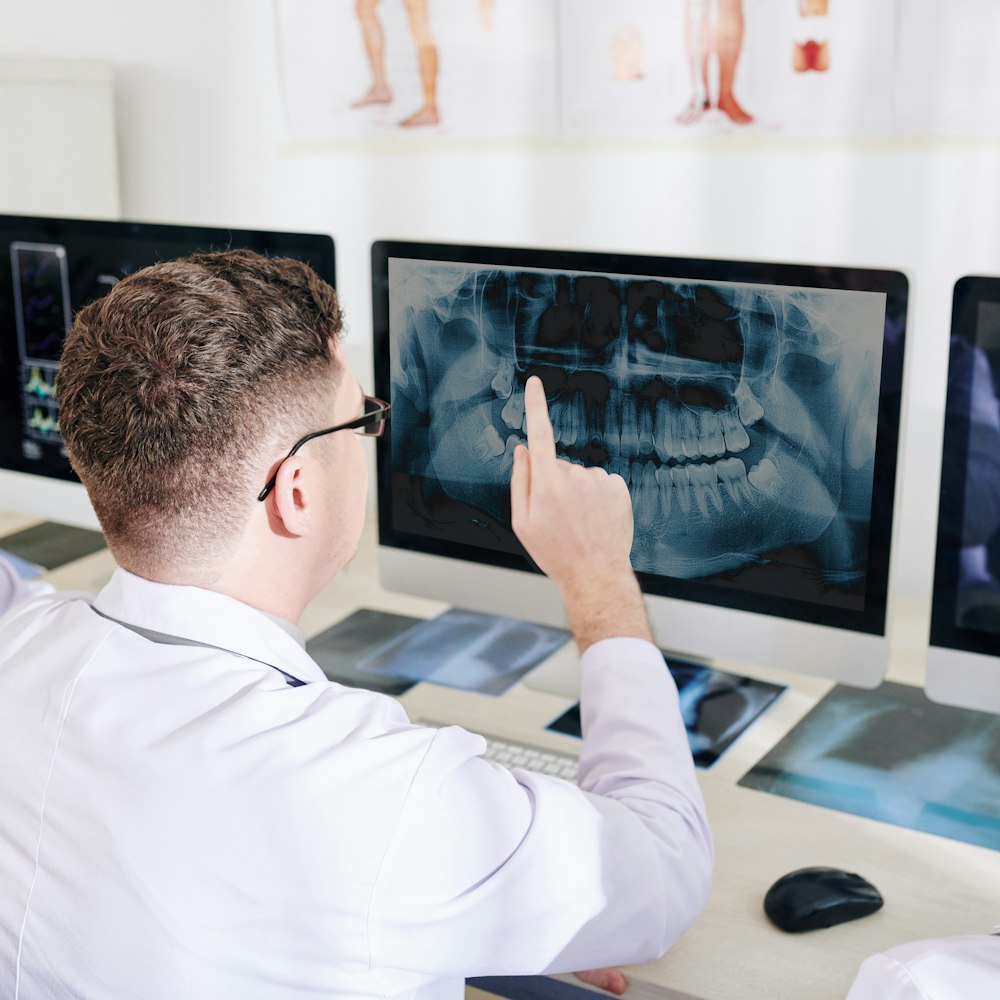
We begin the process for every oral surgery with in-depth 3D scans of a patient’s oral anatomy. These scans evaluate much more than just the teeth and jaw; they identify soft tissues, blood vessels, and nerve pathways. We maximize safety long before surgery begins.
Our oral surgery offices throughout the Tampa area are equipped with virtual surgical planning technology. We can rehearse your surgery before performing it, identifying potential areas of complication and the best way to achieve an outstanding result.
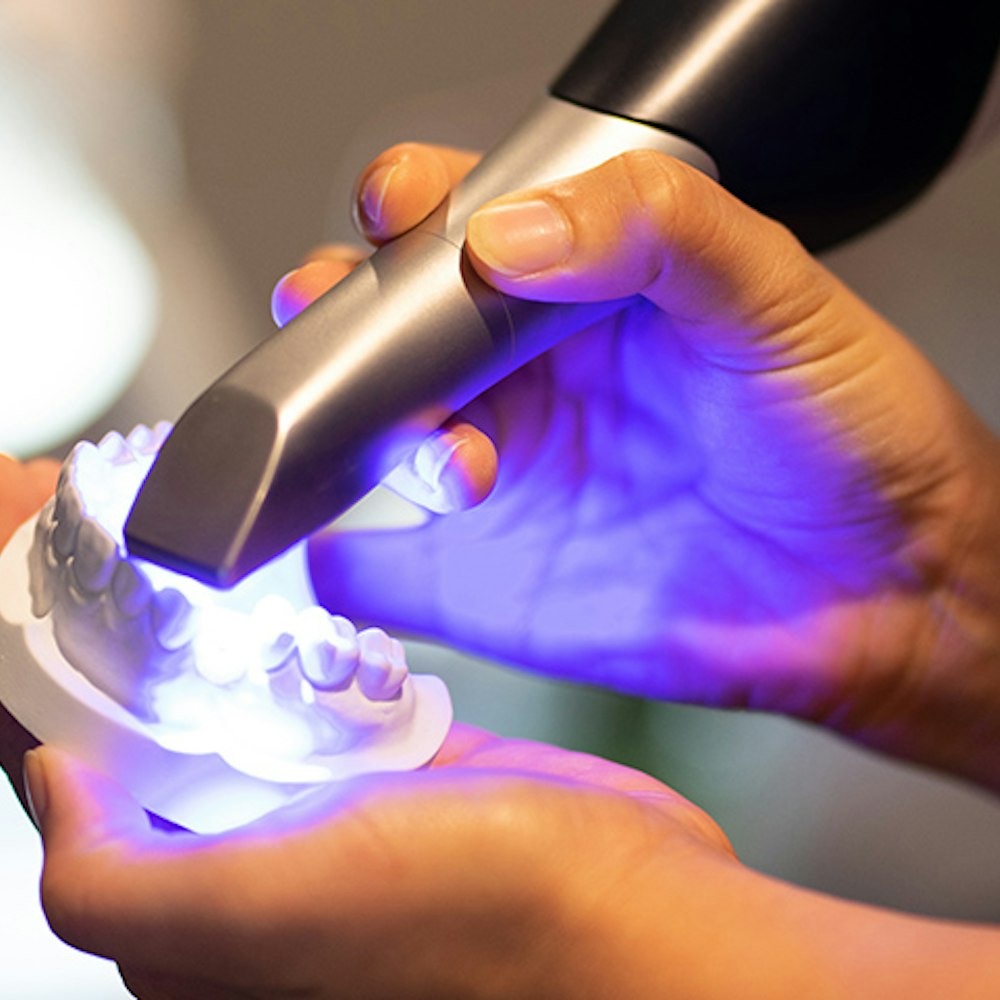
If you’re replacing an extracted tooth with a dental implant, our team will take digital impressions of your smile to guide the creation of your restoration. Digitizing the impression process means quicker and more accurate results with none of the messy dental putty of the past.
Removing a tooth is a relatively simple dental service, especially when performed by a trained oral surgeon like Jason Edwards, Thomas Backeris, Jason Blundell, or Pat Gaus. An extraction can usually be performed with only local anesthesia, but we realize this may not feel sufficient if you have dental anxiety or an especially sensitive smile.
Advanced Oral Surgery offers a number of anesthesia options that can relieve your fears and ensure your comfort.
"From being received and signed in at the front reception area, through the preparation of the procedure, tooth extraction, the tooth extraction itself, and then follow up, ALL personnel were very professional and had an answer to every question I asked. Very efficient, but polite.” — TP, 5-Star Review
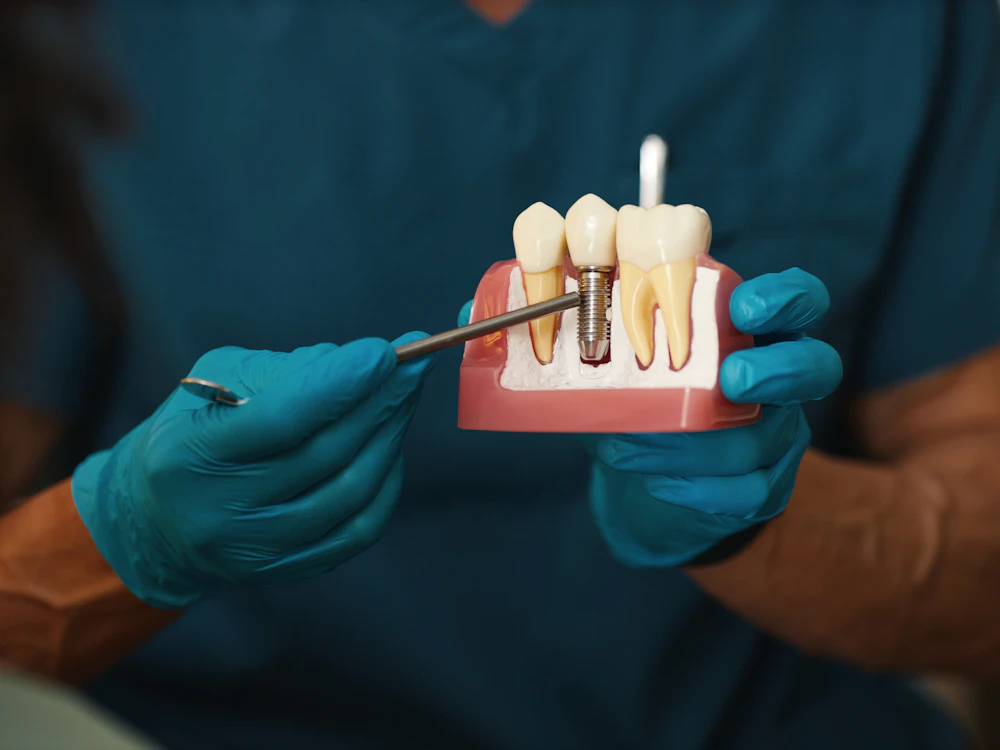
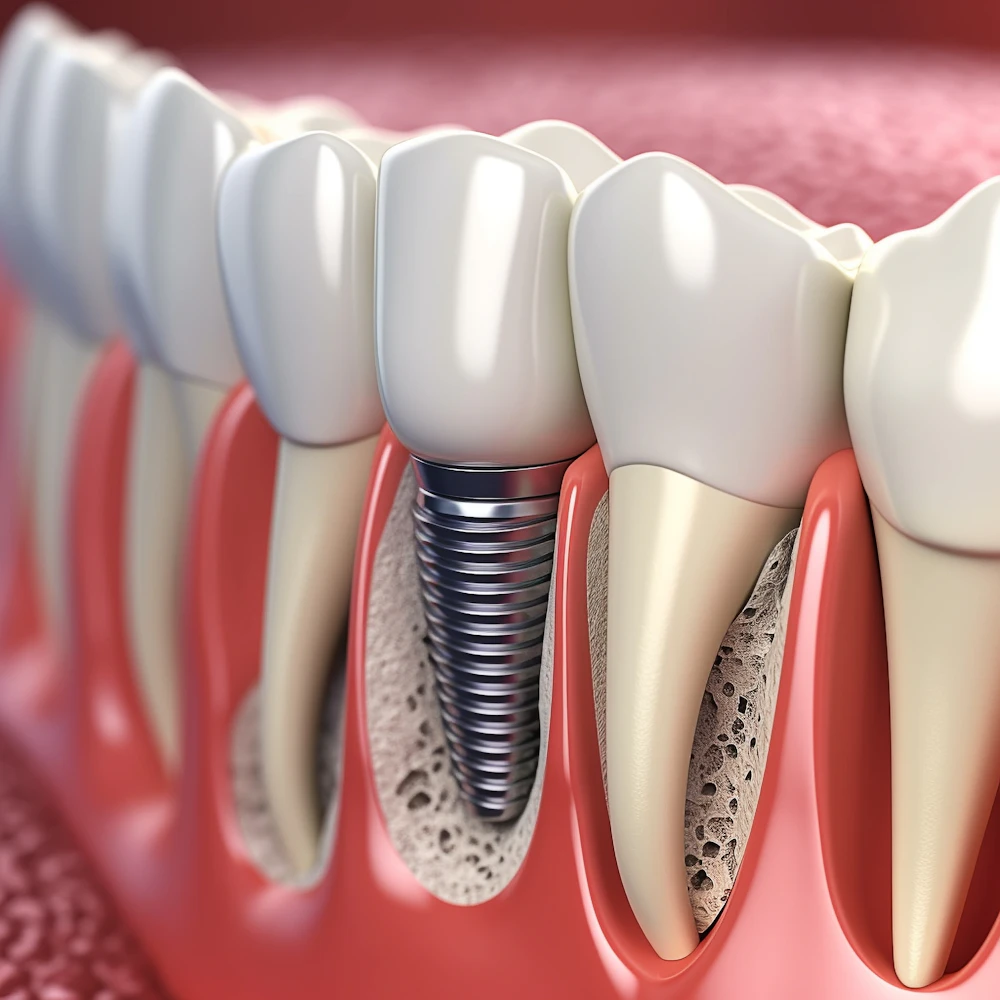
Dental implants can help restore your smile, but that's not their only benefit. Because they act as artificial tooth roots, dental implants are the only way to prevent jaw atrophy after tooth extraction. Dental implants can also prevent misalignment in your smile, as they prevent your remaining teeth from shifting into the empty space.
Whether we're extracting a single tooth or an entire mouth, Advanced Oral Surgery of Tampa can restore your natural smile with long-lasting dental implants.
We utilize in-house 3D imaging to design a customized treatment plan that matches your needs and schedule. Dental implant placement is a unique specialty.
Our oral surgeons have years of dedicated education, certification, and experience to do it right the first time. Many implants can be placed in under an hour, and our oral surgeons are trained for whole-mouth (full arch) implants in less than a day, on an outpatient basis.
Learn Whether Dental Implants Are Right for You
If you need to undergo tooth extraction and want to pursue dental implant surgery to restore the form and function of your bite afterward, our team is here to help you fully understand all of your options. What type of dental implants are best for you after tooth extraction depends on how many teeth are extracted, your jawbone density, and oral health, among other factors.
Tooth extraction can be the first step toward renewed oral health and function. To learn more about your options, let our skilled oral surgeons assess your needs during a consultation.
We prioritize educating our patients about what they can expect from procedures, conditions, and oral surgery in general. Here are some of the most commonly asked questions we get about tooth extraction:
Oral surgeons undergo additional years of specialty training compared to general dentists. A DMD or DDS degree takes four years to complete, but oral surgeons go on to complete another four to six years of residency training, which includes clinical and hospital experience. They possess an extensive knowledge of orofacial anatomy, the conditions that affect it, and how to effectively treat them. This minimizes the risk of complications and maximizes the chance of successful care.
If you suffer from gum disease, your dentist or periodontist may recommend having a tooth or multiple teeth extracted. However, since this condition is not an infection of the teeth, tooth extraction will not be a cure-all for gum disease. That said, tooth extraction may be an integral part of your treatment plan to improve the overall health of your gums and teeth.
Dry socket is a rare but serious complication often related to tooth extraction. This occurs when a blood clot doesn’t form or is dislodged after a doctor removes a tooth. Fortunately, our skilled surgeons take every measure to ensure your comfort both during and after the tooth extraction. We will provide you with complete post-operative instructions to minimize your risk.
If you do have any complications after tooth extraction surgery, our team is just a call away.
For individuals who have insufficient bone in the jaw, grafting is often recommended after an extraction. Dental bone grafts increase your eligibility for dental implants and other restorative solutions. Although grafts are more commonly needed after teeth have been missing for some time, our surgeons will work closely with you to determine whether you could benefit from this preliminary treatment.
No! Wisdom teeth don’t serve an especially important function. Keeping them is more likely to lead to oral health issues than removing them unless they emerge in an ideal position, which is rare. There’s no need to consider replacing wisdom teeth with dental implants. Once they’ve been removed and you’ve followed the recovery steps, you won’t have to think about them again.

Dr. Jason Edwards, Dr. Thomas Backeris, Dr. Jason Blundell and Dr. Pat Gaus use the latest techniques and have advanced training. They are members of various notable organizations, including:
To schedule your consultation at our state-of-the-art office, call us at (813) 452-6380.
Locations
We have 4 locations the greater Tampa area